






 Zuhause
 Produkte
1. Einführung: Reale Schmerzpunkte für pharmazeutische Fabriken
1.1 Häufiger Branchenstatus
In der pharmazeutischen und Nahrungsergänzungsmittel-Industrie nimmt die Kapselproduktion aufgrund ihrer bequemen Anwendung, hohen Versiegelungsleistung und stabilen Medikamentenaufbewahrungseigenschaften einen unersetzlichen Marktanteil ein. Dennoch werden unzählige Produktionsbetriebe, insbesondere kleine und mittelgroße pharmazeutische Anlagen und Unternehmen zur Verarbeitung von Nahrungsergänzungsmitteln, ständig von einem gemeinsamen technischen Problem geplagt: ungleichmäßige Pulverbefüllung.
In vielen traditionellen Kapselproduktionswerkstätten sind manuelle Kapselbefüllungsgeräte und veraltete halbautomatische Kapselbefüllungsmaschinen noch im Einsatz. Diese veralteten Kapselproduktionsgeräte können keine präzise Befüllung erreichen, was zu deutlich inkonsistentem Kapselgewicht innerhalb einer einzelnen Produktionscharge führt. In schweren Fällen kann der Gewichtsunterschied zwischen einzelnen Kapseln mit bloßem Auge klar erkannt werden. Dieses nicht standardisierte Produktionsphänomen ist kein gelegentlicher Unfall, sondern ein weit verbreitetes Problem im unteren und mittleren Segment der Kapselproduktionsindustrie, das die standardisierte Entwicklung zahlreicher Hersteller einschränkt.

Pulverkorn-Granulat-Füllung in Kapseln
1.2 Kernfragen zur Auslösung von Resonanz
Für Produktionsmanager und Fabrikbesitzer ist die ungleichmäßige Pulverbefüllung zu einem hartnäckigen industriellen Schmerzpunkt geworden, der nicht ignoriert werden kann. Haben Sie jemals solche verwirrenden Situationen in der täglichen Produktion erlebt? Warum überschreitet das Gewicht der fertigen Kapseln nach der Serienproduktion immer die Branchenabweichungsstandards? Warum fallen fertige Produkte häufig bei Stichprobenprüfungen durch, sodass viele fehlerhafte Waren manuell nachbearbeitet werden müssen? Warum werden aufgrund unkontrollierbarer Befüllgenauigkeit ständig hochwertige Rohstoffe verschwendet? Diese Probleme klingen trivial, verursachen jedoch in der tatsächlichen Produktion kontinuierliche wirtschaftliche Verluste und Betriebsrisiken für die Fabrik. Wenn diese versteckten Gefahren nicht rechtzeitig beseitigt werden, geraten Hersteller in einen Teufelskreis aus hohen Kosten, niedriger Effizienz und instabiler Qualität.
2. Schäden und Verluste durch ungleichmäßige Pulverbefüllung
2.1 Qualitätsrisiko: GMP-Prüfung nicht bestanden
Die pharmazeutische Produktion ist eine der strengsten regulierten Industrien der Welt, und alle Produktionsschritte müssen den GMP-Produktionsvorschriften entsprechen. Ungleichmäßige Pulverbefüllung führt direkt zu unzulässigen Gewichtsabweichungen bei Kapseln. Ob Über- oder Untergewicht, die fertigen Produkte entsprechen nicht den internationalen pharmazeutischen Produktionsstandards. Bei regelmäßigen Stichprobenprüfungen durch Aufsichtsbehörden werden Chargen mit unzulässigem Befüllungsgewicht direkt zurückgehalten, was zu verzögerter Produktlieferung und gestörten Verkaufsplänen führt. Darüber hinaus hinterlassen langfristig instabile Produktqualitäten negative Einträge in Fabrikzertifizierungsprüfungen. Sobald die Prüfung fehlschlägt, riskiert die Fabrik eine Produktionsunterbrechung und Nachbesserung, was der regulären Geschäftstätigkeit des Unternehmens irreversiblen Schaden zufügt.
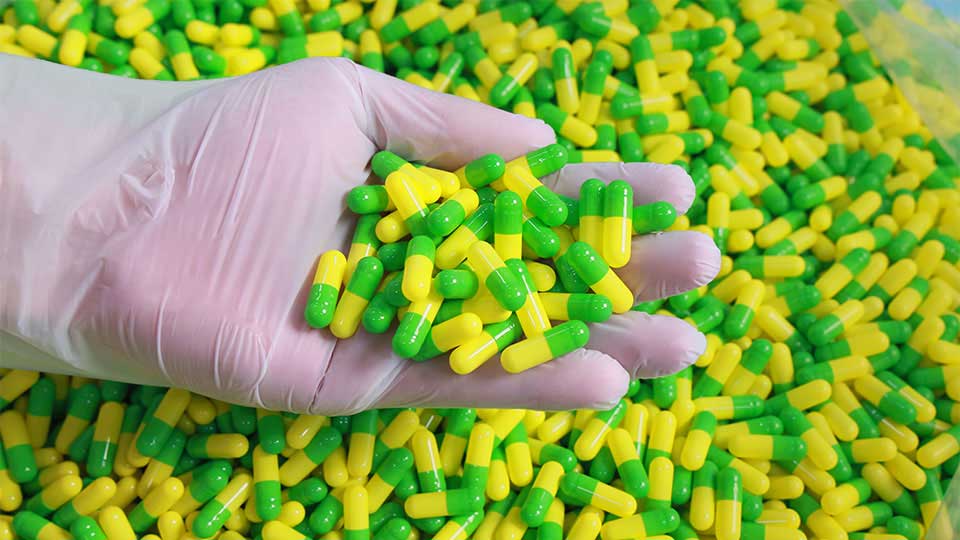
Hochleistungsversiegelung von Gelatinekapseln
2.2 Materialverlust: Hohe Rohstoffkostenverschwendung
Die Rohstoffkosten sind die zentralen Produktionsausgaben von Pharmafabriken, insbesondere bei hochwertigen Kräuterpulvern, funktionellen Nährstoffpulvern und chemischen Arzneipulvern. Ungleichmäßige Befüllung verursacht zwei große Materialverschwendungsprobleme. Einerseits bedeutet Überbefüllung, dass wertvolle Rohstoffe unnötig in einer einzelnen Kapsel verbraucht werden, was die Stückkosten virtuell erhöht. Andererseits werden unterfüllte Kapseln als Ausschussprodukte eingestuft, und eine große Anzahl nicht qualifizierter Fertigprodukte sammelt sich an, was zusätzliche Sortier- und Verarbeitungskosten erfordert. Darüber hinaus haben die meisten alten Verkapselungsmaschinen eine schlechte Versiegelungsleistung, begleitet von kontinuierlichem Staubaustritt während des Betriebs. Das verstreute Arzneipulver verschmutzt nicht nur die Produktionswerkstatt, sondern verursacht auch langfristigen unsichtbaren Materialverbrauch, wodurch die Gewinnmarge der Hersteller weiter verringert wird.
2.3 Produktreputation: Instabile Wirksamkeit
Das Befüllgewicht von Arzneipulver bestimmt direkt den Wirkstoffgehalt jeder Kapsel, was eng mit der Produktwirkung verbunden ist. Bei ungleichmäßiger Pulverbefüllung ist der Wirkstoffgehalt jeder fertigen Kapsel unterschiedlich, was zu einer instabilen Arzneiwirkung führt. Bei pharmazeutischen Produkten beeinträchtigt eine instabile Wirkung den Behandlungserfolg der Patienten; bei Nahrungsergänzungsmitteln reduziert ein inkonsistenter Nährstoffgehalt die Nutzererfahrung. Langfristig geben Verbraucher aufgrund instabiler Produkteffekte negatives Feedback, und die Wiederkaufsrate der Produkte sinkt stark. Für Marken, die von Herstellern sorgfältig aufgebaut wurden, schädigen kontinuierliche Qualitätsprobleme die Markenreputation, schwächen die Wettbewerbsfähigkeit und haben langfristig negative Auswirkungen auf die Markenentwicklung, insbesondere bei Kräutermedizin- und Nahrungsergänzungsmarken, die auf Mundpropaganda angewiesen sind.
2.4 Arbeitskosten: Zusätzliche manuelle Arbeit
Produktivität und Arbeitskosten sind wichtige Kennzahlen für Fabriken zur Kontrolle der Betriebsausgaben. Fabriken mit veralteten Kapselbefüllungsanlagen müssen zusätzliches Personal einsetzen, um fehlerhafte Kapseln manuell zu sortieren, was viel Personalressourcen verbraucht und die Gesamtproduktionsleistung verringert. Alte Kapselbefüllmaschinen haben eine schlechte Betriebsstabilität und müssen von erfahrenen Arbeitern wiederholt eingestellt werden. Der Produktionsfortschritt hängt stark von erfahrenen Technikern ab, was die Schulungskosten und die Einstiegshürden erhöht. Darüber hinaus erhöht eine übermäßige manuelle Eingriffe in den Befüllprozess das Risiko einer Kontamination des Arzneipulvers, erfüllt nicht die Anforderungen der Reinraumproduktion und erhöht weitere versteckte Sicherheitsrisiken der Produktqualität.
3. Grundursachen der ungleichmäßigen Pulverbefüllung
3.1 Gerätemängel
Die Maschinenleistung ist der Schlüsselfaktor, der die Befüllgenauigkeit beeinflusst. Die meisten traditionellen Kapselbefüllmaschinen verwenden niedrigpräzise Befüllformen mit großen Montagespalten, die keine präzise quantitative Dosierung ermöglichen. Die interne Zuführstruktur ist einfach und einheitlich und verfügt nicht über ein gezieltes optimiertes Design. Beim Umgang mit feinem Pulver, klebrigem Pulver und anderen speziellen Materialien ist die Zuführgeschwindigkeit instabil und die Dosierung ungleichmäßig. Darüber hinaus basieren viele alte Kapselbefüllmaschinen auf Vibration zur Zuführung. Die Vibrationsfrequenz kann nicht intelligent angepasst werden, was zu inkonsistenter Pulverdichte in der Befüllkammer führt. Schließlich ist das Befüllvolumen jeder Kapsel unterschiedlich, und die Gewichtsabweichung überschreitet den Standard.
3.2 Eigenschaften von Pulvermaterialien
Verschiedene Arten von Arzneipulvern haben unterschiedliche physikalische Eigenschaften, was ebenfalls Herausforderungen für den Befüllprozess mit sich bringt. Ultrafeines Arzneipulver ist leicht und neigt zum Anhaften. Während des Zuführprozesses treten häufig Brücken- und Hohlraumbildungen auf, was zu intermittierender Dosierung führt. Ölige und zuckerhaltige Pulver haben eine starke Viskosität und neigen zur Verklumpung und Verstopfung innerhalb der Anlage, was die Gleichmäßigkeit des Materialtransports beeinträchtigt. Bei Mischpulvern aus mehreren Rohstoffen tritt aufgrund unterschiedlicher Dichte der Komponenten eine Entmischung während Lagerung und Transport auf. Die ungleichmäßige Mischung der Rohstoffe macht es unmöglich, einen konsistenten Inhaltsstoffgehalt in jeder Kapsel sicherzustellen, was indirekt zu unzureichender Befüllqualität führt.
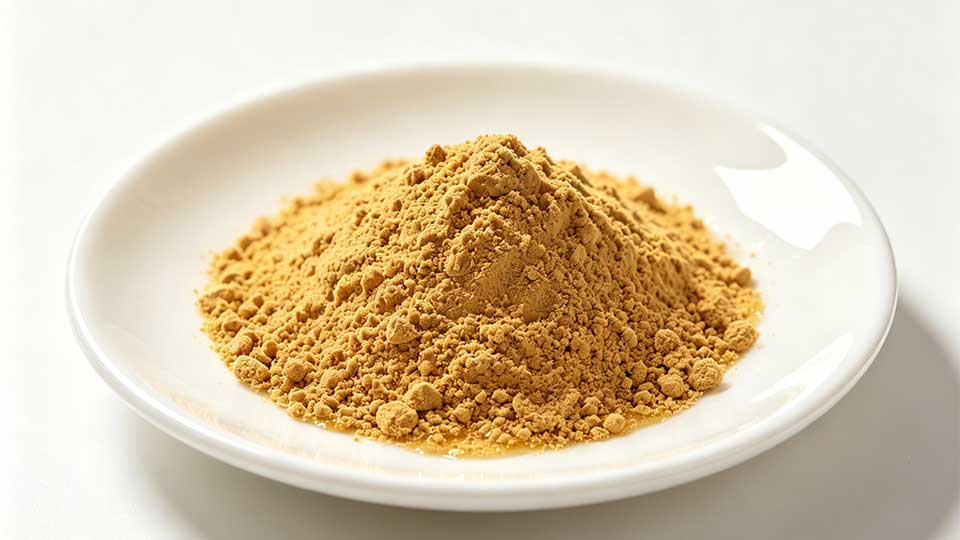
Rohstoffpulver
3.3 Probleme im Produktionsbetrieb
Standardisiertes Betriebsmanagement ist die Garantie für stabile Produktionsqualität. Viele Fabriken haben unregelmäßige Zuführprozesse, und der Materialstand im Vorratsbehälter der Anlage schwankt stark. Der instabile Materialstand verändert den Verdichtungszustand des Pulvers und beeinflusst dadurch das Befüllgewicht. Die meisten kleinen und mittleren Fabriken verfügen nicht über ein perfektes Prüfsystem, und die Anlagen werden nicht regelmäßig kalibriert. Es gibt keinen speziellen Nachwiegeschritt nach der Produktion, sodass unqualifizierte Produkte nicht rechtzeitig erkannt werden können. Darüber hinaus verfügen traditionelle Altanlagen nicht über eine automatische Korrekturfunktion. Wenn während des Betriebs Abweichungen auftreten, können diese nur manuell angepasst werden, was ineffizient und ungenau ist und es erschwert, langfristig eine stabile Befüllqualität aufrechtzuerhalten.
4. Lösungen: Ungleichmäßige Befüllung mit der NJP-1500D Kapselbefüllmaschine lösen
Wenn ungleichmäßige Befüllung, inkonsistentes Gewicht und häufige Qualitätsausschüsse Ihre Produktion und Rentabilität einschränken, ist es Zeit, auf eine hochpräzise, GMP-konforme automatische Kapselbefüllmaschine umzusteigen. Die NJP-1500D Verkapselungsmaschine ist ein Flaggschiffmodell, das speziell entwickelt wurde, um Befüllabweichungen zu eliminieren und eine stabile, wiederholbare Dosierung für Pulver und Granulate zu liefern.
4.1 Dosierpräzision
Ungleichmäßige Befüllung entsteht oft durch niedrigpräzise Formen und instabile Indexierung. Der NJP-1500D integriert einen deutschen Zeiss-Optik-Teilkopf und eine 100DS-Hochpräzisions-Nockenindexbox, die eine stabile 3-Sekunden-Indexierung ohne Abweichung ermöglicht. Die gesamte Indexierungsachse ist in einem Durchgang CNC-bearbeitet und gewährleistet konsistente Rotationsgenauigkeit.
Die Befüllgenauigkeit erreicht ±3 % für westliche pharmazeutische Pulver und ±4 % für TCM-Pulver und übertrifft damit die Industriestandards. Alle Messplatten und Füllstangen werden nahtlos elektronisch poliert, mit optionaler Teflonbeschichtung für klebrige, ölige oder feuchtigkeitsempfindliche Materialien. Dies minimiert Rauheit und Reibung, die Hauptursachen für ungleichmäßige Befüllung.
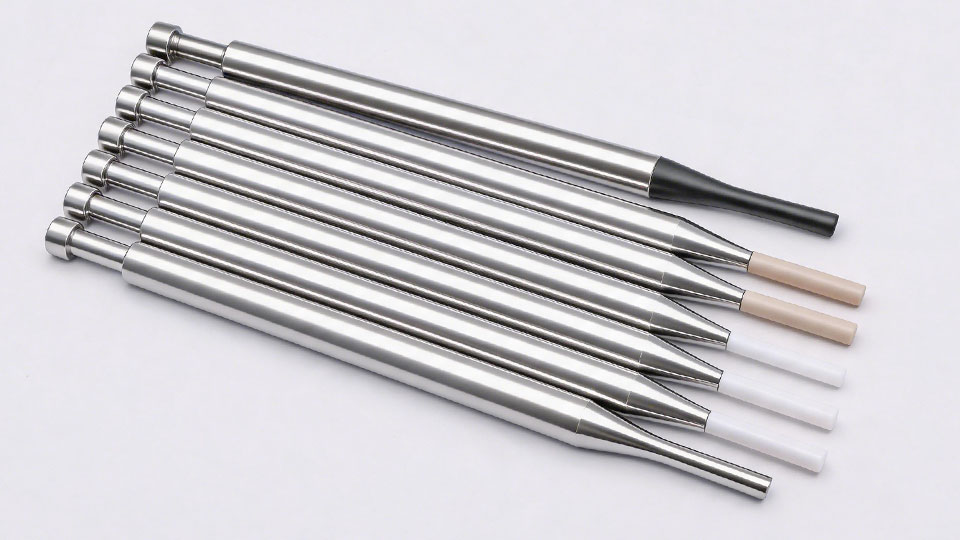
Füllstangen aus verschiedenen Materialien
4.2 Patentierter Drehteller- und Doppeldichtungsaufbau
Schlechte Abdichtung und Staubaustritt verursachen Gewichtsschwankungen und verschwenden teure Materialien. Die NJP-1500D Verkapselungsmaschine verfügt über einen patentierten Drehteller mit Überdruckluft und importierten SIL-Silikondichtungsringen, wodurch eine luftdichte Umgebung entsteht, die verhindert, dass Pulver in den Antriebsmechanismus gelangt.
Ein einzigartiges Doppeldichtungssystem schützt kritische Achsen:
- Erste Dichtung (NBR-Gummi): Verhindert Schmiermittelverlust.
- Zweite Dichtung (importiertes SIL-Silikon): Blockiert das Eindringen von Feinpulver in Lager.
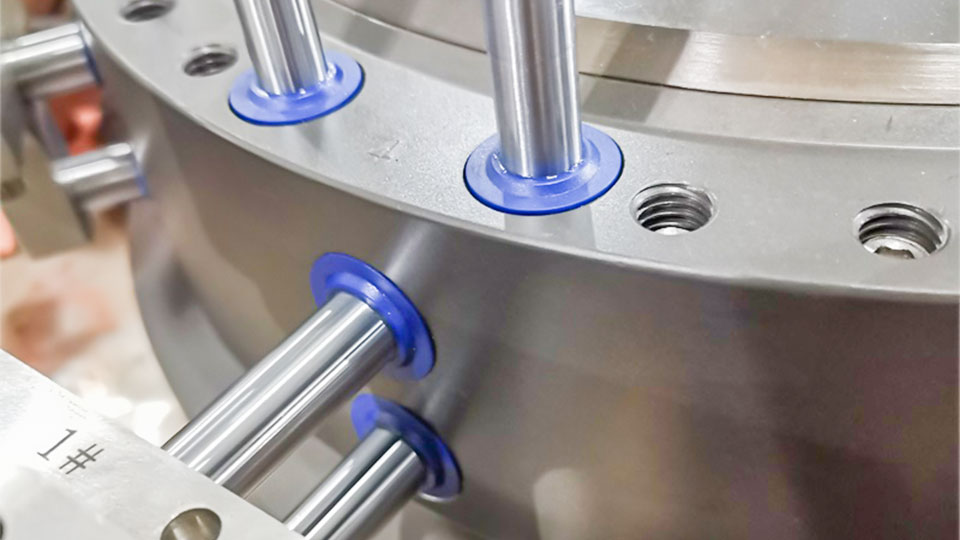
Doppeldichtungsdesign isoliert externen Staub
Dieses Design eliminiert Blockierungen durch Pulvereindringen. Ein integriertes Pulverrückgewinnungssystem erreicht 100 % Materialrückgewinnung, wandelt Abfallpulver in nutzbares Produkt um und senkt die Produktionskosten erheblich.
4.3 Anti-Brücken-Zuführung
Feines, öliges oder gemischtes Pulver bildet in Standardtrichtern häufig Brücken oder Hohlräume, was zu intermittierender Befüllung und Gewichtsschwankungen führt. Der NJP-1500D verwendet ein optimiertes pneumatisches Zuführsystem mit Vibrationskontrolle, das einen gleichmäßigen, stabilen Materialfluss auch bei schwierig zu verarbeitenden Materialien gewährleistet.
4.4 Intelligente Schmierung
Ein zeitgesteuertes, dosiertes automatisches Schmiersystem injiziert Öl in festgelegten Intervallen und gewährleistet einen reibungslosen Nockenbetrieb für eine 24/7-Dauerproduktion. Die doppelte horizontale Achsenstruktur verwendet PTFE-ölfreie Lager, die lebenslang keine Schmierung oder Wartung erfordern. Dies minimiert Ausfallzeiten und erhält eine konstante Befüllleistung über lange Laufzeiten.
4.5 Ultraschneller Formenwechsel & breite Kompatibilität
Häufige Produktwechsel führen oft zu inkonsistentem Setup und Befüllabweichungen. Die NJP-1500D Verkapselungsmaschine unterstützt Kapselgrößen von 000# bis 5# und deckt alle Standard-Hohlkapseln ab. Dank ihres herausziehbaren Schlitz-Füllstangenhalters und des modularen Designs dauert ein vollständiger Formwechsel nur 15 Minuten.
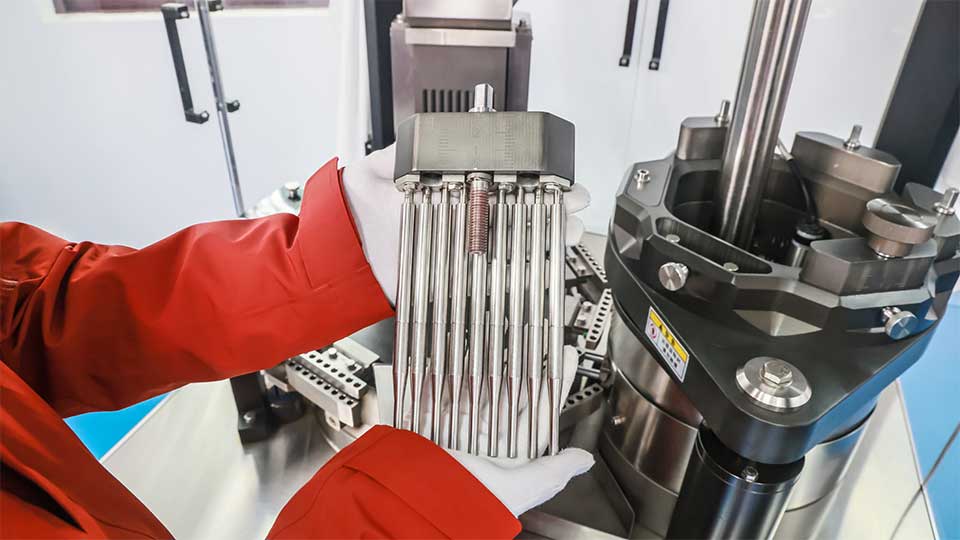
Modulares Design der Füllstangen
Alle medienberührenden Teile bestehen aus 316 Edelstahl und entsprechen den GMP-Standards. Die Maschine verarbeitet Pulver, Granulate, Pellets und kleine Tabletten und ist ideal für Pharmazeutika, Nahrungsergänzungsmittel und Kräuterformulierungen.
4.6 Intelligente Steuerung & Echtzeitüberwachung
Die NJP-1500D Kapselbefüllmaschine ist mit Siemens PLC und Touchscreen-HMI ausgestattet und bietet Echtzeit-Produktionsdaten, Zählung und Chargenverfolgung. Ein optionaler integrierter Drucker dokumentiert Produktionsdatum, Chargennummer und Ausbeute für vollständige Rückverfolgbarkeit.
Mit einer Leistung von 90.000 Kapseln pro Stunde arbeitet die Maschine bei geringem Geräuschpegel (
5. Kernvorteile im Überblick
- ● Kosteneinsparung: Materialverschwendung und Nacharbeitsquote reduzieren
Die hochpräzise Füllleistung minimiert den Rohstoffverlust, reduziert die Entstehungsrate fehlerhafter Produkte und senkt die Kosten für Nacharbeit sowie Materialverbrauch. Die versiegelte, staubfreie Struktur verhindert unsichtbare Pulververluste und verbessert dadurch effektiv die wirtschaftlichen Vorteile der Produktion. - ● Qualitätssicherung: Prüfungen mühelos bestehen
Die stabile Füllgenauigkeit hält die Gewichtsabweichung der Endprodukte innerhalb der zulässigen Standards, entspricht vollständig den GMP-Vorgaben und hilft Herstellern, verschiedene Qualitätsaudits und Stichprobenprüfungen problemlos zu bestehen, wodurch Produktionsstillstandsrisiken aufgrund unzureichender Qualität vermieden werden. - ● Arbeitsersparnis: Kosten für manuelle Sortierung senken
Die intelligente automatische Produktion ersetzt mühsame manuelle Sortier- und wiederholte Einstellarbeiten. Eine Maschine kann die Produktionsleistung mehrerer Arbeitskräfte erreichen, wodurch der Arbeitsaufwand erheblich reduziert und der Produktionsmanagementprozess des Unternehmens vereinfacht wird. - ● Markenaufwertung: Stabile Wirksamkeit zur Steigerung des Rufs
Gleichmäßige Pulverbefüllung gewährleistet stabile Wirkstoffgehalte jeder Kapsel, konsistente Produktwirkung, eine gute Benutzererfahrung und eine hohe Wiederkaufsrate. Eine stabile Produktqualität hilft Herstellern, ein hochwertiges Markenimage aufzubauen und die langfristige Wettbewerbsfähigkeit am Markt zu stärken.
6. Fazit
Eine stabile Füllqualität ist die Grundlage einer nachhaltigen Kapselproduktion. Wenn Sie Probleme mit ungleichmäßiger Pulverbefüllung, hohem Materialverlust oder häufigen Prüfungsfehlern haben, ist die automatische Kapselfüllmaschine NJP-1500D Ihre ideale Lösung.
Wir bieten kostenlose, maßgeschneiderte Produktionslinienplanung und Pulvertests, abgestimmt auf Ihre Größe und Materialien. Außerdem bieten wir umfassende Dienstleistungen: professionelle Installation, Schulung der Bedienung und Kundendienst. Die Maschine eignet sich für Pharmafabriken, Nahrungsergänzungsmittelbetriebe und die Kleinserienproduktion im Labor.
Kontaktieren Sie uns für eine individuelle Lösung und ein Angebot.


 IPv6-Netzwerk unterstützt