






 Zuhause
 Produkte
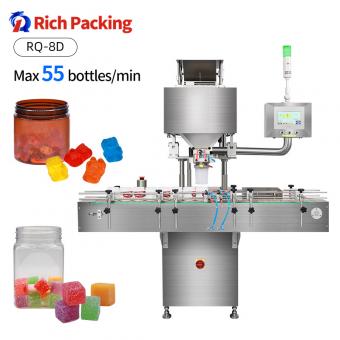
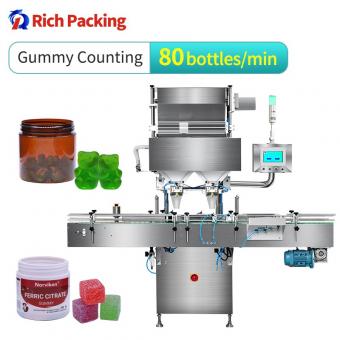
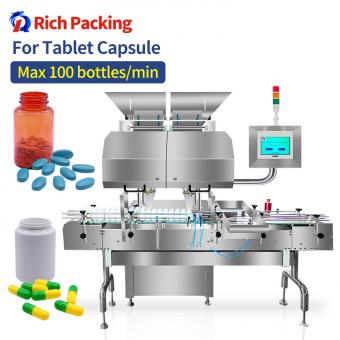
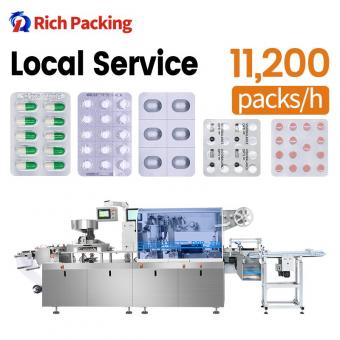
29+ years in pharmaceutical machinery, covering capsule filling, tablet pressing, blister packaging, tablet and capsule counting, cartoning, GMP production, and overseas machine service.

Zwei Tabletten können nahezu identisch aussehen und dennoch nach dem Schlucken sehr unterschiedliche Wege nehmen. Wenn Menschen nach "wie lange brauchen Tabletten zum Auflösen" suchen, erwarten sie meist eine einfache Zahl. Doch eine Tablette kann sich kurz nach dem Kontakt mit Magensaft auflösen, während eine andere intakt bleibt, bis sie eine andere Umgebung im Verdauungstrakt erreicht. Das Aussehen allein verrät wenig darüber, was diesen Unterschied steuert.
In jedem Produkt steckt eine bewusst entwickelte Struktur. Die Kompressionskraft der Tablette verändert die Porenräume, durch die Flüssigkeit hindurchwandern muss. Das Material der Kapselhülle und ihre Feuchtigkeit beeinflussen, wie eine Hartkapsel reagiert. Tablettenüberzüge, Bindemittel, Zerfallsmittel, Partikeleigenschaften und die Füllstoffe der Kapsel bestimmen, was passiert, sobald sich die äußere Struktur zu öffnen beginnt.
Die Auflösungszeit von Tabletten und Kapseln wird daher über den gesamten Produktweg hinweg bestimmt – von der Formulierung und der Tablettenkompression bzw. Kapselbefüllung über die Beschichtung und Lagerung bis hin zur Verpackung und den Bedingungen nach dem Schlucken.
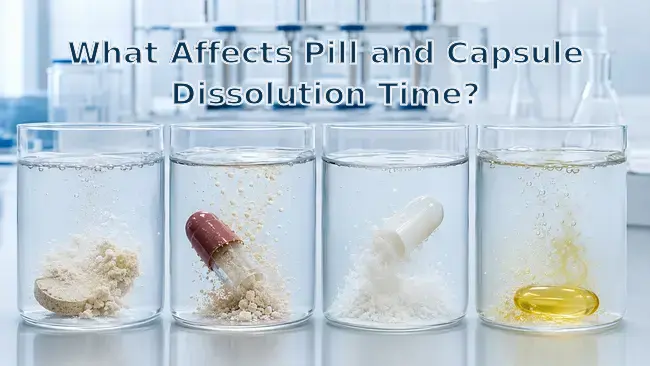
Menschen erwarten oft eine einfache Antwort: zehn Minuten, zwanzig Minuten, vielleicht eine Stunde. Die brauchbare Antwort ist weniger eindeutig. Ein geschlucktes Produkt kann sich zunächst erweichen, aufbrechen, aufquellen oder Flüssigkeit durch mikroskopische Poren eindringen lassen, bevor sein Wirkstoff überhaupt beginnt, in Lösung zu gehen.
Diese Abfolge erzeugt drei getrennte Meilensteine:
|
Stufe |
Was Sie beobachten würden |
Was es nicht beweist |
|
Zerfall |
Die Tablette oder Kapsel zerfällt in kleinere Teile |
Dass der gesamte Wirkstoff bereits gelöst ist |
|
Auflösung |
Wirkstoff geht in die umgebende Flüssigkeit über |
Dass er bereits absorbiert wurde |
|
Absorption |
Gelöste Substanz gelangt in den Körper |
Dass jeder Mensch identisch reagiert |
Das Öffnen einer Kapselhülle ist nicht die Ziellinie, und das Verschwinden einer Tablette ist kein Beweis dafür, dass jeder Bestandteil in Lösung gegangen ist. Das beabsichtigte Freisetzungsdesign steuert, was danach folgt.
Stellen Sie sich eine konventionelle Tablette, eine Hartkapsel und eine Weichkapsel nebeneinander vor. Die Tablette ist ein Kompakt aus gepressten Partikeln. Die Hartkapsel ist eine zweiteilige Hülle, die Pulver, Granulate oder Pellets enthält. Die Weichkapsel ist eine flexible, versiegelte Hülle um eine flüssige oder halb feste Füllung. Sie können auf dieselbe Weise geschluckt werden, aber Flüssigkeit erreicht ihren Inhalt durch drei unterschiedliche Strukturen.
Eine konventionelle Tablette muss innen benetzt werden und ausreichend strukturelle Festigkeit verlieren, um zu zerfallen. Eine Hartkapselhülle muss hydratisieren, bevor sie ihre Füllung freigibt. Eine Weichkapselhülle muss ihre Integrität verlieren und gleichzeitig mit dem eingeschlossenen Material kompatibel bleiben.
Modifizierte Freisetzungsprodukte fügen einen weiteren Weg hinzu. Magensaftresistente Formen sind so konzipiert, dass sie der sauren Magenumgebung widerstehen. Retardtabletten oder -kapseln können Polymermatrizen oder beschichtete Pellets nutzen, um die Freisetzung über einen längeren Zeitraum zu verteilen. Ein verzögerter Beginn ist nicht automatisch ein Mangel; manchmal ist er der zentrale Zweck des Produkts.
|
Darreichungsform |
Erstes wichtiges Ereignis |
Hauptkontrolle der Freisetzung |
|
Konventionelle Tablette |
Flüssigkeit dringt in die Tablette ein und löst den Zerfall aus |
Tablettenformulierung, Porosität, Zerfallsmittel |
|
Hartkapsel |
Hülle hydratisiert und legt die Füllung frei |
Hüllenmaterial, Feuchtigkeit, Pulver- oder Pelletdesign |
|
Weichkapsel |
Flexible Hülle öffnet sich und gibt die Füllung frei |
Hüllenkomposition, Naht, Kompatibilität zwischen Füllung und Hülle |
|
Magensaftresistente Form |
Säureresistente Schicht bleibt intakt |
Enterisches Polymer und Gleichmäßigkeit der Beschichtung |
|
Retardform |
Matrix oder beschichtete Partikel geben den Wirkstoff allmählich frei |
Polymersystem und Herstellungskonsistenz |
Die Kapseltypen und Tabletten sind wichtig, aber ihre Namen verraten nicht die gesamte Zeitachse.
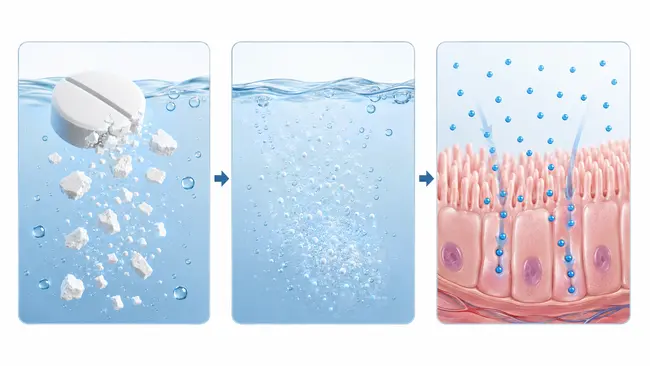
Stellen Sie sich eine Hartkapsel vor, deren Hülle bereits geöffnet ist. Das Pulver darin wird nicht sofort zu einer Lösung. Feine Partikel können leicht benetzt werden und sich verteilen, verklumpen, aufschwimmen oder schwer löslich bleiben. Beschichtete Pellets können intakt bleiben, weil sie erst später freigesetzt werden sollen.
Tablettenformulierungen stehen vor einem ähnlichen Problem. Füllstoffe, Bindemittel, Schmiermittel und Zerfallsmittel erfüllen wichtige Produktionsfunktionen, aber ihr Gleichgewicht verändert, wie die fertige Tablette mit Flüssigkeit interagiert. Ein Zerfallsmittel unterstützt den Zerfall, ein Bindemittel sorgt für Festigkeit, und übermäßiges oder schlecht verteiltes Schmiermittel kann die Benetzung beeinflussen.
Partikelgröße, Löslichkeit der Inhaltsstoffe, Granulatstruktur und Benetzbarkeit können auch nach dem physischen Zerfall der Darreichungsform weiterhin begrenzende Faktoren sein. Deshalb können zwei Kapseln mit derselben Hülle unterschiedliche Auflösungsprofile erzeugen, und eine Tablette, die schnell zerfällt, gibt nicht zwangsläufig jeden Inhaltsstoff mit derselben Geschwindigkeit frei.
Vor der Tablettenkompression ist die Formulierung eine lockere Mischung aus Pulver oder Granulat. Nach der Kompression muss sie dem Ausstoßen, der Beschichtung, der Verpackung, dem Transport und der Handhabung standhalten und dennoch den Eintritt von Flüssigkeit ermöglichen.
Die Kompressionskraft der Tablette verändert, wie dicht die Partikel gepackt sind und wie viel Porenraum im Kompakt verbleibt. Erhöht man die Kraft, kann die Tablette fester werden, aber die Beziehung ist keine einfache Regel "härter gleich langsamer". Das Verhalten des Zerfallsmittels, die Verweilzeit, das Werkzeug der Tablettenpresse, Formulierungseigenschaften und Schmierung beeinflussen ebenfalls das Ergebnis.
Bediener überwachen Tablettengewicht, Dicke, Tablettenhärte, Zerreibbarkeit, Zerfall und Auflösung. Eine Tablettenpressmaschine muss das validierte Kompressionsfenster über lange Läufe, Neustarts und Werkzeugwechsel hinweg einhalten. Tausende Tabletten müssen sich konsistent verhalten.Tablettenpresse muss das validierte Kompressionsfenster über lange Läufe, Neustarts und Werkzeugwechsel hinweg einhalten. Tausende Tabletten müssen sich konsistent verhalten.
Eine Hartkapsel kann mit korrekten Abmessungen in die Produktion gelangen und dennoch nach ungeeigneter Lagerung problematisch werden. Zu hohe Feuchtigkeit kann eine Hülle aufweichen. Zu geringe Feuchtigkeit kann manche Hüllen spröde machen. Hygroskopische Füllstoffe können nach dem Befüllen Feuchtigkeit mit der Hülle austauschen und so den Zustand beider allmählich verändern.
Gelatine- und HPMC-Hüllen haben unterschiedliche Materialeigenschaften. Die Wahl kann durch Formulierungsverträglichkeit, Produktionsumgebung, Marktanforderungen und Lagerbedingungen beeinflusst werden. Die relevante Frage ist nicht, welche Hülle universell schneller ist, sondern ob Hülle, Füllung, Prozess und Verpackung als ein System funktionieren. Ein gezielter Vergleich von Gelatine vs vegetarische Kapselnliefert mehr Details zu dieser Auswahl.
Die Kapselabfüllung fügt messbare Produktionsvariablen hinzu: Füllgewicht, Pulverdichte, Pelletverteilung, Verschlussqualität, Schalenbeschädigung und Ausschuss. Wenn eine Kapsel unterfüllt ist, schlecht verschlossen, gerissen oder der falschen Luftfeuchtigkeit ausgesetzt ist, ist das Problem nicht mehr nur visuell. Dosiskonsistenz, Lagerstabilität und Freisetzungsverhalten können alle beeinträchtigt sein.
Eine Beschichtung kann kaum sichtbar sein und dennoch entscheiden, ob Flüssigkeit einen Tablettenkern sofort oder erst viel später erreicht. Konventionelle Filmbeschichtung kann die Handhabung, Identifizierung und Geschmacksüberdeckung verbessern. Eine magensaftresistente Beschichtung ist darauf ausgelegt, Säure zu widerstehen und in einer Umgebung mit höherem pH-Wert freizusetzen. Systeme mit verlängerter Freisetzung können steuern, wie Wasser in eine Matrix eindringt oder wie beschichtete Pellets ihren Inhalt freisetzen.
Sprührate, Tröpfchengröße, Bewegung des Tablettbetts, Einlassluft, Produkttemperatur, Trocknung, Aushärtung und Beschichtungsgewichtszunahme müssen über die gesamte Charge innerhalb eines Arbeitsbereichs bleiben.
Wenn diese Bedingungen abweichen, Tablettenbeschichtungsfehler können als Kleben, raue Oberflächen, Kantenbeschädigung, Risse oder ungleichmäßige Farbe auftreten. Einige Defekte sind sichtbar; eine ungleichmäßige Freisetzungskontrolle kann Tests erfordern, um sie zu erkennen. Eine Tablettenbeschichtungsmaschine kann Sprühen, Mischen und Trocknen reproduzierbar machen, aber sie kann keine ungeeignete Beschichtungsformulierung retten.
Produkte mit modifizierter Freisetzung sollten nicht zerkleinert, gekaut oder geöffnet werden, es sei denn, ihre Kennzeichnung oder eine qualifizierte medizinische Fachkraft bestätigt, dass dies angemessen ist. Das Aufbrechen der Struktur kann auch das beabsichtigte Freisetzungsdesign zerstören.
In einem Auflösungslabor können Techniker das Medium, die Temperatur, die Agitation, die Apparatur und den Probenzeitpunkt kontrollieren. Ein menschlicher Magen verändert seine Form, enthält unterschiedliche Mengen an Flüssigkeit und Nahrung und bewegt seinen Inhalt durch muskuläre Kontraktionen. Eine Darreichungsform kann an einem Ort liegen bleiben, an dem sie schnell zum Ausgang gelangt, oder weiter entfernt verbleiben.
Ein computergestütztes Magenmodell der Johns Hopkins University lieferte ein eindrucksvolles Beispiel. In der Simulation löste sich eine Pille, die in der rechten Seitenlage nahe dem Ausgang freigesetzt wurde, etwa 2,3-mal schneller auf als in aufrechter Position. Die berichteten Modellzeiten lagen bei ungefähr 10 Minuten für die rechte Seitenlage, 23 Minuten in aufrechter Position und mehr als 100 Minuten in der linken Seitenlage.
Diese Zahlen sind keine universellen Medikamentenanweisungen. Sie stammen aus einem Computermodell. Ihr Wert liegt im Ausmaß des Kontrasts: Magengeometrie, Schwerkraft, Motilität, Flüssigkeit, Nahrung und Transit können die Umgebung um einen geschluckten Feststoff verändern.
Deshalb kann das Fallenlassen einer Pille in ein Glas Wasser ihr Verhalten im Körper nicht vorhersagen. Das Glas reproduziert weder physiologischen pH-Wert noch Enzyme, Magenbewegung, Magenentleerung oder eine validierte Auflösungstestmethode.
Die Auflösungsgeschichte kann Monate vor dem Schlucken beginnen. Eine Flasche bleibt unter kontrollierten Bedingungen versiegelt; eine andere wird in einem feuchten Raum wiederholt geöffnet. Ihre Etiketten stimmen überein, aber Schalen, Pulver und Beschichtungen sind unterschiedlichen Umgebungen ausgesetzt.
Feuchtigkeit kann eine Kapselhülle aufweichen, nach Feuchtigkeitsverlust zur Sprödigkeit beitragen, die Pulverfließeigenschaften beeinflussen oder eine feuchtigkeitsempfindliche Tablette beschädigen. Wärme kann die Kompatibilität von Hülle und Füllung sowie den Beschichtungszustand beeinflussen. Die Veränderungen können so subtil sein, dass ein Verbraucher sie nicht visuell erkennen kann.
Verpackung schützt mehr als nur das Erscheinungsbild. Eine Entscheidung darüber, wie Kapseln verpackt werden berücksichtigt Barriermaterial, Versiegelungsintegrität, Transport und Haltbarkeit. Eine Blisterverpackungsmaschine versiegelt einzelne Einheiten, während Flaschensysteme Verschlüsse und Induktionsversiegelungen verwenden.
PVC-Alu, höherbarrierige Laminate, Alu-Alu-Blister und Flaschen bieten keinen identischen Schutz. Verpackungen können eine schwache Formulierung nicht reparieren, aber eine schlechte Barriereleistung kann ein Produkt untergraben, das beim Verlassen der Fabrik einen Auflösungstest bestanden hat.
Die kommerzielle Produktion muss das beabsichtigte Verhalten über Tausende oder Millionen von Einheiten hinweg wiederholen, während Rohmaterialien, Maschinenbedingungen und Betriebszeit Variationen einbringen.
Bei Tabletten umfasst die Kette Partikelvorbereitung, Mischen, Schmierung, Tablettierung, Entstaubung, Beschichtung, Inspektion und Verpackung. Bei Hartkapseln umfasst sie Schalenlagerung, Pulver- oder Pelletzufuhr, Füllgewichtskontrolle, Kapselverschluss, Inspektion und Verpackung. Eine kleine Abweichung in mehreren Stufen kann zu einem bedeutenden Chargenunterschied führen.
|
Produktionsstufe |
Was das Team misst |
Welche Variationen sich ändern können |
|
Rohmaterialvorbereitung |
Partikelgröße, Feuchtigkeit, Fließfähigkeit, Mischgleichmäßigkeit |
Benetzung und Verteilung der Inhaltsstoffe |
|
Tablettenkompression |
Gewicht, Kraft, Dicke, Härte, Porosität |
Tablettenfestigkeit, Zerfall, Auflösung |
|
Kapselabfüllung |
Füllgewicht, Dichte, Pelletverteilung, Schalenzustand |
Dosis- und Freisetzungskonsistenz |
|
Tabletten- oder Pelletbeschichtung |
Sprührate, Temperatur, Trocknung, Gewichtszunahme |
Schutz- und Freisetzungssteuerung |
|
Pharmazeutische Verpackung |
Versiegelung, Barriermaterial, Trockenmittel, Verschluss |
Feuchtigkeits- und Hitzeeinwirkung |
|
Qualitätskontrolle |
Probenahme, Zerfall, Auflösung, Stabilität |
Ob Chargenabweichungen erkannt werden |
Zerfalls- und Auflösungstests beantworten unterschiedliche Fragen. Der Zerfall erfasst den physischen Zerfall unter definierten Bedingungen. Die Auflösung misst, wie viel Wirkstoff zu bestimmten Zeitpunkten in Lösung geht. Die FDA-Leitlinien betrachten die Auflösungstestung als Instrument für Produktspezifikationen, Profilvergleich, fortlaufende Qualitätskontrolle und Bewertung bestimmter Herstellungsänderungen.
Produktionsanlagen helfen, den festgelegten Prozessbereich einzuhalten. Sie ersetzen weder die Formulierungsentwicklung noch validierte Tests. Konsistente Tabletten- und Kapselauflösungszeiten entstehen durch die Verbindung von Materialwissen, Tablettierung oder Kapselabfüllung, Beschichtung, Inspektion, Verpackung und Qualitätsdaten. Hier spielt auch praktische Anlagenunterstützung eine Rolle: Guangdong Rich Packing Machinery Co., Ltd. nutzt 29 Jahre Erfahrung in Ausland-Inbetriebnahme und Schulung bei der Unterstützung von Feststoffproduktions- und Verpackungsprojekten.
Zwei gleich aussehende Tabletten können sich auf fast jeder Ebene unterscheiden, die die Freisetzung steuert. Eine kann eine schnell zerfallende Formulierung enthalten; eine andere kann von einer dichten Tablettenstruktur, einer feuchtigkeitsempfindlichen Kapselhülle, einer magensaftresistenten Schicht oder beschichteten Pellets abhängen. Der Magen fügt dann Flüssigkeit, Nahrung, Bewegung, Schwerkraft und Transit zu einem Design hinzu, das bereits während der Herstellung geprägt wurde.
Es gibt keine sinnvolle universelle Stoppuhr für jede Tablette und Kapsel. Verbraucher sollten die Produktkennzeichnung und professionelle Anweisungen befolgen. Hersteller benötigen etwas Anspruchsvolleres: einen Prozess, der das beabsichtigte Auflösungsprofil konsistent von der ersten akzeptablen Einheit bis zur letzten erzeugt.
Es gibt keine einzelne Zeit, die für jede Tablette gilt. Darreichungsform, Formulierung, Tablettenkompression, Beschichtung, Magenbedingungen, Nahrung, Körperhaltung, Lagerung und Verpackung können den Prozess alle beeinflussen. Der Zerfall kann eintreten, bevor sich der Wirkstoff vollständig gelöst hat, während magensaftresistente und Retardprodukte absichtlich so gestaltet sind, dass sie unterschiedlich freisetzen.
Disintegration ist der physikalische Zerfall einer Tablette oder Kapsel in kleinere Teile. Dissolution tritt auf, wenn der Wirkstoff in Lösung übergeht. Eine Darreichungsform kann disintegrieren, bevor der gesamte Wirkstoff gelöst ist.
Nein. Eine Kapselhülle kann schnell hydratisieren, während sich ihre Füllung langsam auflöst. Tablettenformulierung, Tablettenkompression, Überzug und Freisetzungsdesign variieren ebenfalls stark. Die konkrete Produktgestaltung ist aussagekräftiger als die bloße Bezeichnung der Darreichungsform.
Sie können sich unter bestimmten Bedingungen unterschiedlich verhalten. Shell formulation, Feuchtigkeitsgehalt, Lagerung, Füllmaterial und die Testmethode spielen alle eine Rolle. Beide Materialien werden erfolgreich eingesetzt, wenn Hülle und Formulierung richtig aufeinander abgestimmt sind.
Die Tablettenhärte kann das Eindringen von Flüssigkeit und die Disintegration beeinflussen, aber auch Porosität, Sprengmittel, Bindemittel, Partikeleigenschaften, Tablettenkompressionsparameter und der Überzug müssen dabei berücksichtigt werden.
Magensaftresistente Überzüge sind so ausgelegt, dass sie unter sauren Bedingungen intakt bleiben und den Wirkstoff in einer Umgebung mit höherem pH-Wert freisetzen. Das genaue Verhalten hängt vom Beschichtungssystem und dem validierten Produktdesign ab.
Ein computergestütztes Magenmodell zeigte, dass die Körperhaltung beeinflusste, wo sich eine Tablette ablagerte und wie schnell sie sich in der Simulation auflöste. Das Ergebnis zeigt die Rolle der Magenmechanik, ist jedoch keine allgemeingültige Dosieranweisung.
Ja. Hitze, Feuchtigkeit, beschädigte Versiegelungen, ungeeignete Barrieren oder Wechselwirkungen zwischen Hülle und Füllung können eine Tablette oder Kapsel vor der Anwendung verändern. Hersteller bewerten Verpackung und Stabilität zusammen mit Formulierung und Produktionskontrollen.
1. U.S. Food and Drug Administration - Dissolution Testing of Immediate Release Solid Oral Dosage Forms
2. Lee JH, Kuhar S, Seo JH, Pasricha PJ, Mittal R. Computermodell der Arzneimittelauflösung im menschlichen Magen: Auswirkungen von Körperhaltung und Gastroparese auf die Bioverfügbarkeit von Arzneimitteln

29+ years in pharmaceutical machinery, covering capsule filling, tablet pressing, blister packaging, tablet and capsule counting, cartoning, GMP production, and overseas machine service.

Email : manager@richpacking.cn
Building D, No. 226, Beishan Qiaotou Street, Haizhu District, Guangzhou City, Guangdong Province, China


 IPv6-Netzwerk unterstützt