






 Zuhause
 Produkte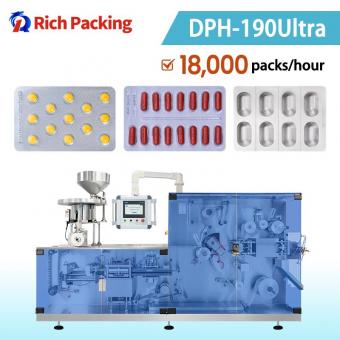
29+ years in pharmaceutical machinery, covering capsule filling, tablet pressing, blister packaging, tablet and capsule counting, cartoning, GMP production, and overseas machine service.

Eine pharmazeutische Verpackungslinie ist ein integriertes Produktionssystem, das mehrere Maschinen miteinander verbindet, um Arzneimittel für Lagerung, Vertrieb und Verwendung vorzubereiten. Im Gegensatz zu einer einzelnen Verpackungsmaschine, die eine Operation ausführt, verbindet eine komplette Linie Zuführung,Primärverpackung, Inspektion, Codierung, Sekundärverpackung und Endausgabe zu einem koordinierten Arbeitsablauf.
In der pharmazeutischen Herstellung schützt die Verpackung das Produkt, unterstützt die korrekte Identifizierung, hilft bei der Aufrechterhaltung der Qualität und reduziert unnötige manuelle Handhabung. Für Tabletten, Kapseln, Pulver, Flüssigkeiten und Nahrungsergänzungsmittel verbessert die richtige Verpackungslinie die Produktionsstabilität und erleichtert gleichzeitig die Prozesskontrolle.
Eine gut konzipierte pharmazeutische Verpackungslinie sollte auf Produkteigenschaften, Zielkapazität, Werkstattfläche, Qualitätsanforderungen und Automatisierungsgrad abgestimmt sein.
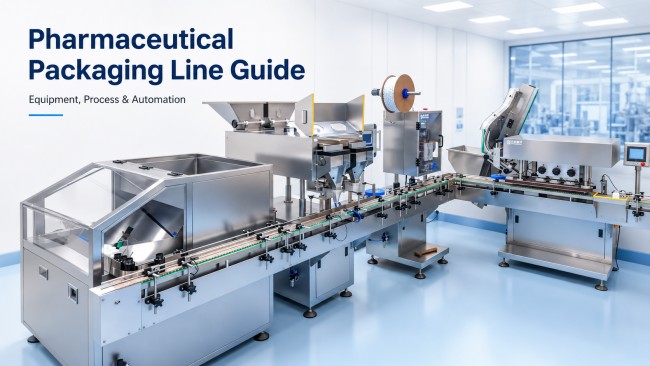
Eine pharmazeutische Verpackungslinie ist ein verbundenes Maschinensystem, das verwendet wird, um mehrere Verpackungsvorgänge in einem kontinuierlichen Prozess abzuschließen.
Eine einzelne pharmazeutische Verpackungsmaschine übernimmt normalerweise eine Aufgabe wie Zählen, Befüllen, Versiegeln, Etikettieren oder Kartonieren. Eine pharmazeutische Verpackungslinie verbindet diese Aufgaben, sodass Produkte den Prozess mit weniger manuellen Transfers durchlaufen können.
Ein einfacher Arbeitsablauf kann wie folgt dargestellt werden:
Produktzuführung → Primärverpackung → Prozessinspektion und Codierung → Sekundärverpackung und Endinspektion → Ausgabe des Fertigprodukts
Die genaue Konfiguration hängt von Darreichungsform und Verpackungsformat ab. Tabletten- und Kapselprodukte können in ein Zählsystem oder eineBlisterverpackungsmaschineeingegeben werden. Pulver- und Granulatprodukte benötigen Dosier- und Versiegelungsausrüstung, während flüssige und halbfeste Produkte Befüll-, Versiegelungs- und Behälterhandhabungssysteme erfordern.
Der Zweck einer pharmazeutischen Verpackungslinie ist nicht nur eine höhere Geschwindigkeit. Eine gute Linie verbessert die Koordination zwischen Maschinen, hält die Produktbewegung kontrolliert, reduziert Stillstände und hilft Herstellern, eine gleichbleibende Verpackungsqualität aufrechtzuerhalten.
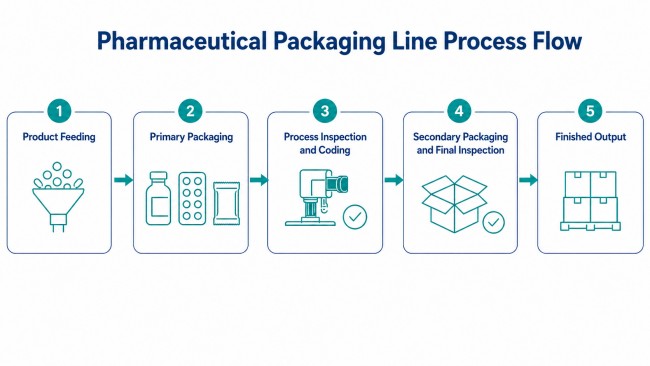
Eine vollständige pharmazeutische Verpackungslinie besteht aus mehreren Funktionseinheiten. Die Hauptbereiche sind Produktzuführung, Primärverpackung und nachgelagerte Sekundärverpackung mit Endinspektion und Codierung. Die beste Konfiguration hängt von Produktform, Verpackungsart, Zielausstoß, Fabriklayout und Automatisierungsgrad ab.
Das Konstruktionsziel ist einfach: Jede Maschine sollte Geschwindigkeit und Funktion der nächsten Maschine entsprechen, damit die gesamte Linie als ausgewogenes Produktionssystem läuft.
Das Zuführungssystem ist der Ausgangspunkt der Verpackungslinie. Es überträgt Produkte oder Behälter aus der vorgelagerten Produktion, Lagerung oder manuellen Beladungspunkten in die Verpackungsausrüstung.
Für Tabletten und Kapseln hilft eine stabile Zuführung Zählmaschinen und Blisterverpackungsmaschinen, ohne häufige Unterbrechungen zu laufen. Für Pulver und Granulate ist ein gleichmäßiger Materialfluss wichtig, da eine instabile Zuführung die Dosiergenauigkeit direkt beeinflusst. Bei Flaschen umfasst der Zuführbereich häufig Flaschenentsortierer, Flaschenförderer und Flaschenpositionierung.
Zu den gängigen Zuführungslösungen gehören:
● Flaschenentsortierer und Förderer für Flaschenverpackungslinien
● Vibrationsschienen oder Bürstenzuführer für Blisterverpackungslinien
● Produktkanäle für Tabletten, Kapseln oder speziell geformte Produkte
● Pulverzuführungssysteme für Beutel- und Stick-Pack-Anlagen
Ein zuverlässiges Zuführungssystem reduziert Linienstillstände und bietet den folgenden Verpackungsstufen eine stabile Grundlage.
Die Primärverpackung ist die Stufe, in der das Arzneimittel seine direkte Schutzverpackung erhält. Diese Stufe beeinflusst Haltbarkeit, Feuchtigkeitsschutz, Dosistrennung und Benutzerfreundlichkeit.
Primärverpackungsausrüstung ist kein einzelner Maschinentyp. Sie ist eine Gruppe von Maschinen, die entsprechend Produktform und Verpackungsmethode ausgewählt werden.
Für feste orale Darreichungsformen sind Blisterverpackung und Flaschenverpackung zwei häufige Primärverpackungswege.
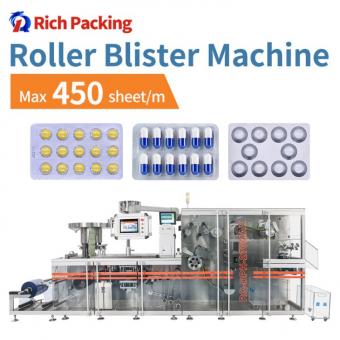
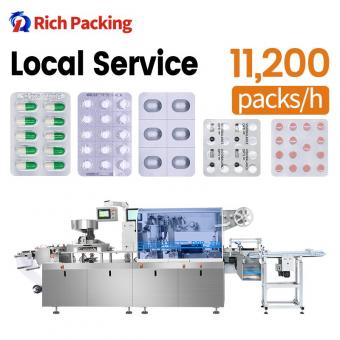
Eine Blisterverpackungsmaschine wird häufig für Tabletten und Kapseln verwendet, die eine Einzeldosisverpackung benötigen. Ein typischer Blisterprozess umfasst:
● Bildung der Blisterkammer
● Zuführung von Tabletten oder Kapseln
● Versiegelung mit Aluminiumfolie
● Kodierung oder Prägung von Chargen- und Datumsinformationen
● Schneiden fertiger Blisterpackungen
Blisterverpackungen bieten eine klare Dosistrennung und Produktschutz. In automatisierten Linien sind Blistermaschinen häufig mit Online-Inspektionssystemen und Kartoniermaschinen verbunden.
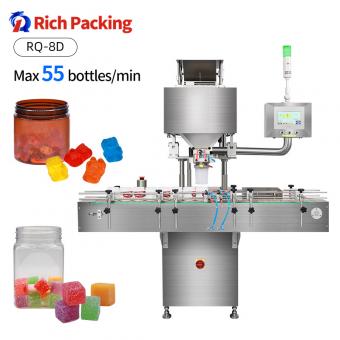
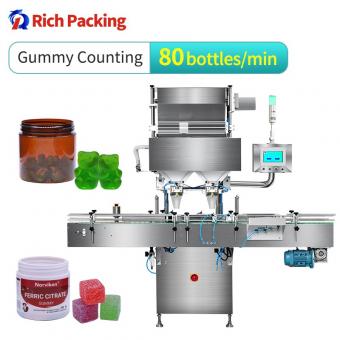
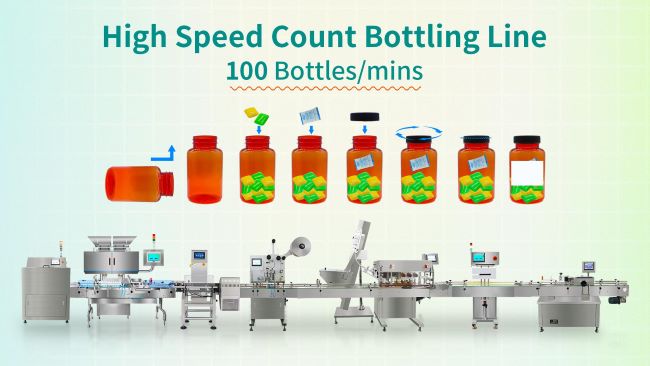
Eine Verpackungslinie für Tabletten- und Kapselbehälter wird häufig für Tabletten, Kapseln, Softgels, Gummibonbons und Nahrungsergänzungsprodukte eingesetzt. Eine typische Flaschenlinie kann Folgendes umfassen:
● Flaschen-Entwirrer
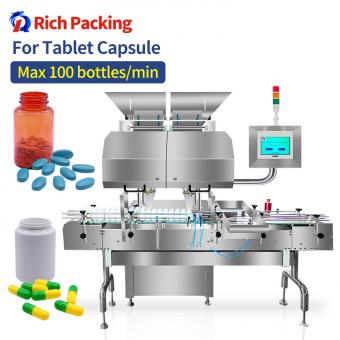
● Tabletten- oder Kapselzählmaschine
● Online-Kontrollwaage
● Baumwoll- oder Trockenmitteleinleger bei Bedarf
● Verschließmaschine
● Induktionssiegelmaschine
● Etikettiermaschine
Die Zählgenauigkeit ist der wichtigste Qualitätskontrollpunkt in einer Flaschenlinie. Eine automatische Zählmaschine hilft dabei, eine gleichbleibende Menge zu gewährleisten, während eine Online-Kontrollwaage Flaschen mit falschem Füllstand aussortieren kann. Die Flaschenverpackung ist außerdem flexibel für verschiedene Flaschengrößen und Mengenspezifikationen.
Pulver- und Granulatprodukte werden üblicherweise mit Beutelverpackungsmaschinen oder Stickpack-Verpackungsmaschinen verpackt. Ein typischer Prozess umfasst das Abwickeln der Folie, die Beutelformung, Dosierung, Befüllung, Heißversiegelung, das Schneiden und die Ausgabe fertiger Packungen.
Die Pulververpackung erfordert Aufmerksamkeit für Materialfluss, Füllgenauigkeit, Staubkontrolle, Rückstände im Versiegelungsbereich und Feuchtigkeitsempfindlichkeit. Einige Pulver nehmen Feuchtigkeit auf oder bilden während der Zuführung Brücken. Bei schwierigen Pulvern kann die Linie Rühren, Anti-Brücken-Systeme oder vibrationsunterstützte Zuführung verwenden, um den Füllprozess stabil zu halten.
Nach der Primärverpackung werden die Produkte zur nachgelagerten Verpackung weitergeleitet. Dieser Abschnitt übernimmt die Außenverpackung, Rückverfolgbarkeitskodierung, abschließende Sichtprüfung und Versandvorbereitung.
Zu den üblichen nachgelagerten Geräten gehören:
·Sichtprüfsystem
·Automatische Ausschleusvorrichtung
·Kartoniermaschine
·Falt- und Einlegeeinheit für Beipackzettel
·Tintenstrahl-, Laser- oder Thermotransfer-Kodiersystem
·Verpackungs-, Kartonier- oder Palettieranlage
Die Endkontrolle konzentriert sich auf das Erscheinungsbild und die Vollständigkeit der fertigen Verpackung. Sie kann beschädigte Blisterpackungen, schief sitzende Verschlüsse, zerknitterte Etiketten, unklare Kartonaufdrucke, fehlende Beipackzettel oder schlecht verschlossene Kartons erkennen.
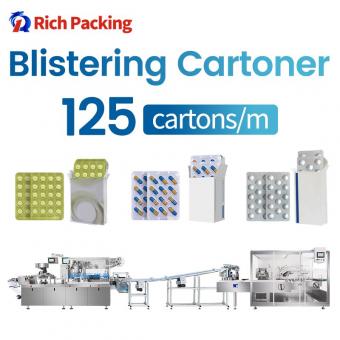
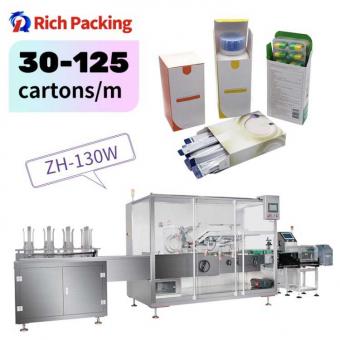
Kartoniermaschinen legen Blisterpackungen, Flaschen, Beutel oder Stickpacks in Kartons ein. Sie können auch das Öffnen der Kartons, das Einlegen von Beipackzetteln, das Verschließen der Kartons und die Kartonkodierung durchführen. Viele automatisierte Kartoniermaschinen verfügen über Prüfungen für das Einlegen von Beipackzetteln, den Öffnungsstatus des Kartons und den Verschlussstatus des Kartons.
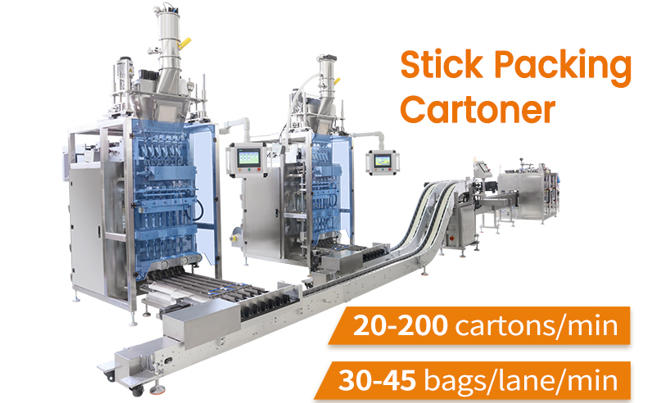
Verpackungslinie für Rich Packing Stick-Verpackungen und Kartonierung
Eine pharmazeutische Verpackungslinie funktioniert, indem verschiedene Maschinen zu einem kontinuierlichen Arbeitsablauf verbunden werden:
Produktzuführung → Primärverpackung → Prozessinspektion und Codierung → Sekundärverpackung und Endinspektion → Fertigausgabe
Zuerst gelangen Produkte oder Behälter in das Zuführsystem. Eine stabile Zuführung ist wichtig, da Unterbrechungen in dieser Phase die gesamte Linie beeinträchtigen können.
Anschließend gelangen die Produkte in die Primärverpackung. Tabletten und Kapseln werden in Flaschen gezählt oder in Blisterpackungen versiegelt. Pulver und Granulate werden in Beutel oder Stickpacks abgefüllt. Flüssigkeiten und halbfeste Produkte werden in geeignete Behälter gefüllt und versiegelt.
Während oder nach der Primärverpackung werden die Prozessinspektion und Codierung entsprechend dem Liniendesign durchgeführt. Beispielsweise kann eine Flaschenlinie nach dem Zählen eine Kontrollverwiegung verwenden, während eine Blisterlinie Informationen vor dem Schneiden auf die Blisterfolie drucken oder prägen kann.
Danach gelangen die Produkte in die Sekundärverpackung. Kartoniermaschinen legen die Primärverpackungen in Kartons, fügen Beipackzettel ein, verschließen Kartons und unterstützen die Kartoncodierung.
Die Endinspektion prüft Aussehen, Codierung, Kartonzustand und Vollständigkeit der Verpackung, bevor das Produkt zur Außenumwicklung, Kartonverpackung, Palettierung oder Lagerung von Fertigprodukten weitergeleitet wird.
Automatisierung ist in der pharmazeutischen Verpackung wichtig, da Hersteller eine höhere Effizienz bei gleichzeitig strenger Qualitätskontrolle benötigen. Eine automatisierte pharmazeutische Verpackungslinie hilft, die Konsistenz zu verbessern, manuelle Handhabung zu reduzieren und den Prozess leichter zu überwachen.
Automatisierte Verpackungslinien können:
● Manuelle Transfers reduzieren
● Materialien kontinuierlich in Bewegung halten
● Stillstandszeiten zwischen Prozessen reduzieren
● Anlagennutzung verbessern
Wenn Maschinen korrekt verbunden sind, arbeitet die gesamte Linie besser als einzelne Maschinen, die unabhängig voneinander arbeiten.
Genauigkeit ist bei der pharmazeutischen Verpackung entscheidend. Automatisierte Anlagen helfen bei der Kontrolle von Zählen, Abfüllen, Versiegeln, Codieren und Inspektion.
Beispielsweise verbessern automatische Zählsysteme die Mengengenauigkeit bei der Flaschenverpackung. Blisterverpackungsmaschinen gewährleisten eine stabile Formgebung und Versiegelung. Beutel- und Stickpackmaschinen kontrollieren Füllmenge und Versiegelungsqualität.
Eine gleichbleibende Verpackungsqualität hilft, Schwankungen zwischen Chargen zu reduzieren.
Die pharmazeutische Produktion erfordert kontrollierte und wiederholbare Prozesse. Automatisierte Verpackungslinien unterstützen dies durch die Verbesserung von Prozessstabilität, Inspektionsfähigkeit, Produktionskonsistenz, Dokumentationsmanagement und der Ausschleusung nicht konformer Produkte.
Integrierte Überwachungs- und Inspektionssysteme helfen Herstellern, Probleme früher zu erkennen und die Qualität der Fertigprodukte zu kontrollieren.
Eine flexible pharmazeutische Verpackungslinie kann verschiedene Produkttypen, Verpackungsformate und Produktionsmengen unterstützen. Einstellbare Parameter, modulare Anlagen und schnellere Umrüstungen helfen Herstellern, auf unterschiedliche Produktionspläne zu reagieren.
Eine pharmazeutische Verpackungslinie sollte entsprechend den Produkteigenschaften, dem Verpackungsformat und den Produktionsanforderungen ausgelegt werden.
|
Produkttyp |
Übliches Verpackungsformat |
Hauptausrüstung |
Wichtiger Kontrollpunkt |
|
Tabletten |
Flaschen oder Blisterpackungen |
Tablettenzählmaschine, Blisterverpackungsmaschine, Kartoniermaschine |
Zählgenauigkeit und Versiegelungsqualität |
|
Kapseln |
Flaschen oder Blisterpackungen |
Kapselzählgeräte, Blistermaschine, Kartoniermaschine |
Zählgenauigkeit und Versiegelungsqualität |
|
Pulver und Granulate |
Beutel oder Stickpacks |
Dosiersystem, Beutelverpackungsmaschine, Versiegelungssystem |
Füllgenauigkeit und Staubkontrolle |
Tabletten-Verpackungslinien sind für feste orale Darreichungsformen konzipiert. Eine typische Konfiguration kann ein Tablettenzuführsystem, eine Tablettenzählmaschine, eine Blisterverpackungsmaschine, ein Inspektionssystem, Etikettierausrüstung und eine Kartoniermaschine umfassen.
Die endgültige Lösung hängt davon ab, ob Tabletten in Flaschen, Blisterpackungen oder anderen Formaten verpackt werden.
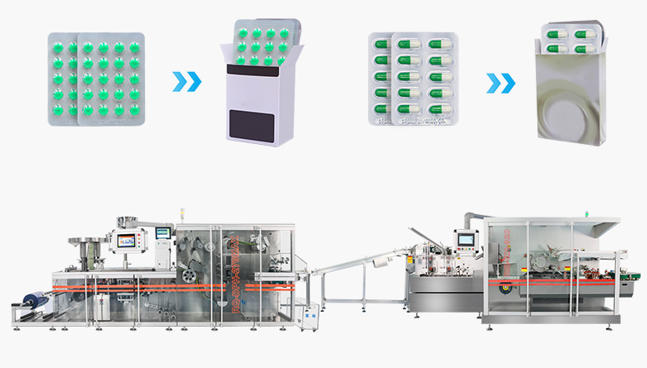 Rich Packing Hochgeschwindigkeits-Blister-Kartonierlinie
Kapsel-Verpackungslinien erfordern eine präzise Handhabung, da Kapselgrößen, Materialien und Füllanforderungen variieren können. Eine typische Lösung kann ein Kapselzuführsystem, eine Kapselzählmaschine, eine Blisterverpackungsmaschine, ein Inspektionssystem, Etikettierausrüstung und eine Kartoniermaschine umfassen.
Eine integrierte Kapsel-Verpackungslösung trägt dazu bei, die Produktkonsistenz von der Produktion bis zur fertigen Verpackung zu erhalten.
Pulverprodukte erfordern spezielle Verpackungslösungen, da verschiedene Pulver unterschiedliche Fließeigenschaften haben. Eine Pulver-Verpackungslinie kann ein Pulverzuführsystem, Dosiergeräte, eine Beutelverpackungsmaschine, ein Versiegelungssystem und Inspektionsgeräte umfassen.
Präzises Befüllen und zuverlässiges Versiegeln sind entscheidend für die Aufrechterhaltung der Produktqualität.
Die Auswahl einer pharmazeutischen Verpackungslinie erfordert mehr als die Wahl einzelner Maschinen. Hersteller müssen bewerten, wie das komplette System zu ihren Produkten, Produktionszielen und zukünftigen Anforderungen passt.
Das Produkt selbst bestimmt den am besten geeigneten Verpackungsansatz. Wichtige Faktoren sind:
● Produkttyp
● Tabletten- oder Kapselgröße
● Fließeigenschaften von Pulver
● Feuchtigkeitsempfindlichkeit
● Anforderungen an den Produktschutz
Das Verständnis der Produkteigenschaften hilft Herstellern, geeignete Füll-, Verpackungs- und Inspektionsgeräte auszuwählen.
Verschiedene Verpackungsformate erfordern unterschiedliche Lösungen. Häufige Formate sind Blisterverpackungen, Flaschenverpackungen, Beutelverpackungen und Stickpackungen. Das gewählte Format beeinflusst direkt das Design der Verpackungslinie.
Hersteller sollten sowohl die aktuellen Produktionsanforderungen als auch zukünftige Erweiterungen berücksichtigen. Wichtige Faktoren sind:
● Erforderliche Produktionsleistung
● Produktionsplan
●Produktvielfalt
● Zukünftige Wachstumspläne
Die Auswahl der richtigen Kapazität hilft, Einschränkungen zu vermeiden, wenn die Nachfrage steigt.
Der erforderliche Automatisierungsgrad hängt vom Produktionsvolumen, der Verfügbarkeit von Arbeitskräften, der Produktvielfalt und den Investitionsplänen ab.
Einige Hersteller benötigen eine vollständig automatisierte pharmazeutische Verpackungslinie, während andere einzelne Prozesse schrittweise automatisieren.
Pharmazeutische Verpackungsanlagen müssen strenge Qualitätsstandards erfüllen. Hersteller sollten GMP-Anforderungen, Anlagenvalidierung, Prüfverfahren und Produktionsdokumentation berücksichtigen.
Eine ordnungsgemäß konzipierte Verpackungslinie hilft, die Produktionszuverlässigkeit und das Qualitätsmanagement zu verbessern.
Eine pharmazeutische Verpackungslinie ist ein integriertes Maschinensystem, das Zuführung, Primärverpackung, Inspektion, Codierung, Sekundärverpackung und Endausgabe durchführt.
Sie kann Zuführsysteme, Abfüllmaschinen, Tabletten- oder Kapselzählmaschinen, Blisterverpackungsmaschinen, Flaschenverpackungsanlagen, Inspektionssysteme, Etikettiermaschinen, Kartoniermaschinen und nachgeschaltete Verpackungsanlagen umfassen.
Eine Verpackungsmaschine führt einen bestimmten Vorgang aus, während eine Verpackungslinie mehrere Maschinen verbindet, um den gesamten Verpackungsprozess abzuschließen.
Automatisierte Verpackungslinien verbessern Effizienz, Verpackungsgenauigkeit, Qualitätskontrolle und Produktionskonsistenz und reduzieren gleichzeitig manuelle Fehler sowie unnötige Produktbearbeitung.
Eine pharmazeutische Verpackungslinie ist mehr als eine Kombination einzelner Maschinen. Sie ist eine integrierte Produktionslösung, die verschiedene Verpackungsstufen zu einem kontrollierten und effizienten Arbeitsablauf verbindet.
Von der Produktzuführung und Primärverpackung bis hin zu Inspektion, Codierung, Kartonierung und Endverpackung beeinflusst jede Stufe die endgültige Verpackungsqualität. Die Auswahl der richtigen Gerätekombination hilft Herstellern, die Effizienz zu steigern, Konsistenz zu gewährleisten und pharmazeutische Produktionsanforderungen zu erfüllen.
Mit mehr als 29 Jahren Erfahrung in der Herstellung von pharmazeutischen und Verpackungsmaschinen bietet Rich Packing integrierte Verpackungslösungen für Kunden weltweit. Das Unternehmen unterstützt verschiedene Anwendungen, darunter Verpackungslösungen für Tabletten, Kapseln, Pulver und andere pharmazeutische Produkte, und hilft Herstellern dabei, zuverlässige und effiziente Produktionssysteme aufzubauen.
1.Elektronischer Code of Federal Regulations, 21 CFR Teil 211 Unterabschnitt G, Kontrolle von Verpackung und Kennzeichnung.
2.US-amerikanische Food and Drug Administration, Prozessvalidierung: Allgemeine Grundsätze und Verfahren.
3.Weltgesundheitsorganisation, Gute Herstellungspraxis für pharmazeutische Produkte.

29+ years in pharmaceutical machinery, covering capsule filling, tablet pressing, blister packaging, tablet and capsule counting, cartoning, GMP production, and overseas machine service.

Email : manager@richpacking.cn
Building D, No. 226, Beishan Qiaotou Street, Haizhu District, Guangzhou City, Guangdong Province, China


 IPv6-Netzwerk unterstützt